
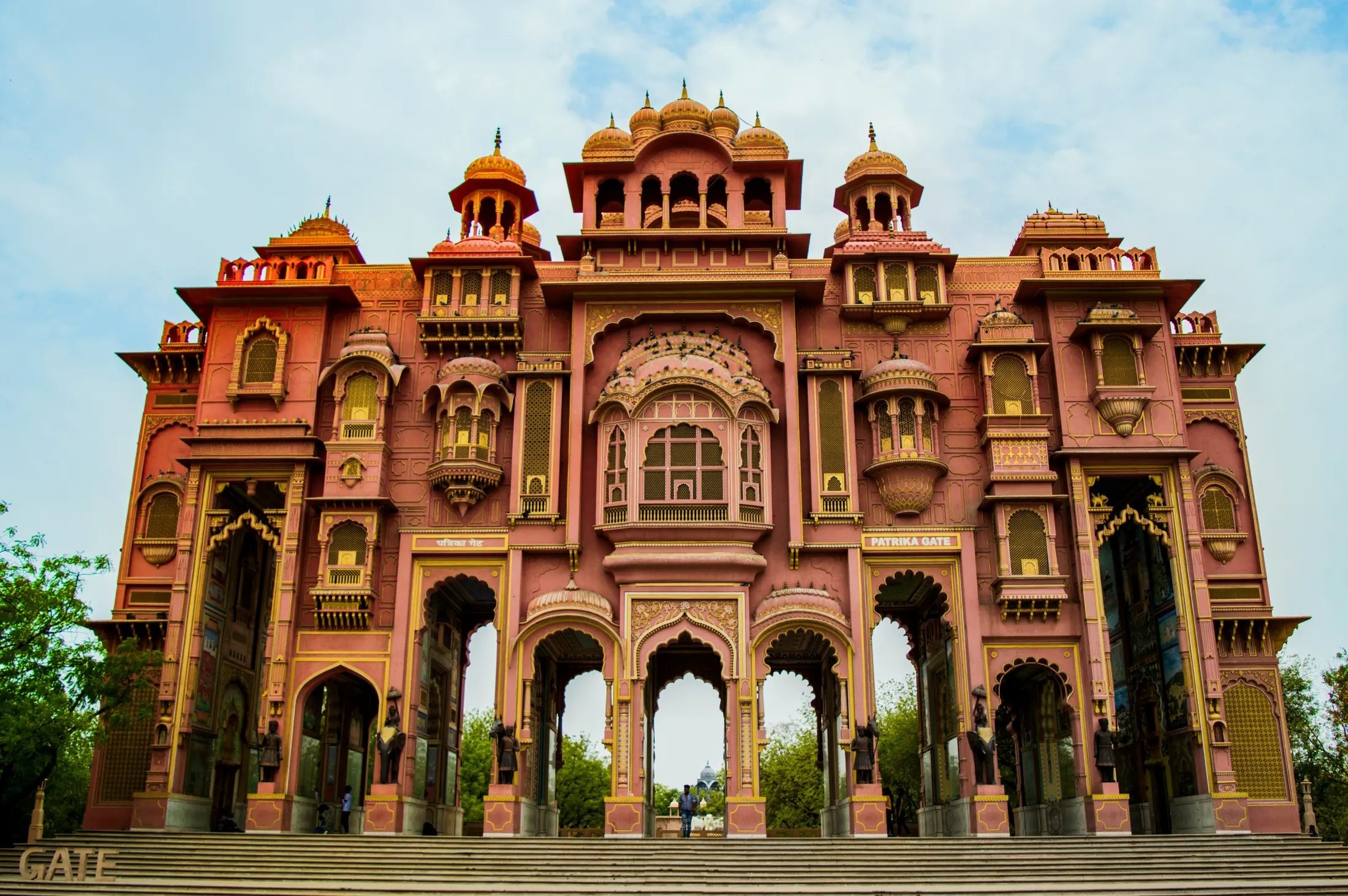
What to Pack for Rajasthan — Complete Packing List (2026)
Planning a Rajasthan trip? Here's exactly what to pack — clothing by season, desert camp essentials, temple etiquette, health items and what international travelers often forget.
Dhruv Poonia is the Digital & Marketing Manager for Rajasthan Travel Agency.
He manages this site's content, SEO, and day-to-day digital operations, working directly with the on-the-ground travel team that plans and runs every itinerary published here — writing and maintaining the pricing, route guides, and travel advice you'll find on this site.
What to Pack for Rajasthan — Complete Packing List (2026)
Rajasthan's climate swings harder than almost anywhere else in India — blazing desert sun by day, genuinely cold nights in winter, and dust that gets into everything. Pack wrong and you'll either freeze at a desert camp or overheat walking around Amber Fort at noon. This guide covers exactly what to bring, organized by what actually matters.
Table of Contents
- Packing List by Season
- Clothing Essentials
- Desert Camp Specific Items
- Temple & Religious Site Etiquette
- Health & Toiletries
- Electronics & Documents
- What International Travelers Often Forget
- Frequently Asked Questions
🌤️ Packing List by Season
October to March (Peak Season)
Daytime temperatures sit comfortably between 20–28°C, but nights — especially in the desert regions of Jaisalmer and Bikaner — can drop to 5–10°C in December and January. This is the season most travelers visit, and it's also the one people most consistently under-pack for, assuming "India" automatically means "hot."
Pack: Light layers for the day, a proper warm jacket or fleece for evenings, a scarf or shawl that works double duty as sun protection and warmth.
April to June (Summer)
Genuinely extreme heat — 40–47°C is common, especially in Jaisalmer and Bikaner. Not recommended for most travelers, but if you're visiting, prioritize breathable, loose cotton clothing and sun protection above everything else.
July to September (Monsoon)
Warm, humid, with intermittent heavy rain. A lighter, greener Rajasthan that few tourists see. Pack a light rain jacket and quick-dry clothing.
👕 Clothing Essentials
For everyone:
- Loose, breathable cotton or linen clothing (natural fabrics handle heat and dust far better than synthetics)
- A light scarf or shawl — genuinely one of the most useful items you'll pack. Doubles as sun protection, dust protection, temple-visit coverage, and evening warmth
- Comfortable, broken-in walking shoes — Rajasthan's forts involve significant uneven stone stairs
- A warm layer for October–March evenings, especially if visiting the desert
- Sunglasses and a wide-brimmed hat
- A light, packable rain jacket if traveling July–September
Modesty note: Rajasthan is culturally conservative, especially outside major tourist areas. Both men and women are generally more comfortable in clothing that covers shoulders and knees, particularly at temples and in smaller towns. This isn't a strict requirement everywhere, but it earns noticeably warmer receptions from locals and reduces unwanted attention.
🏕️ Desert Camp Specific Items
If your itinerary includes a night at a desert camp in Jaisalmer (and it should — it's one of Rajasthan's genuine highlights), pack specifically for it:
- A proper warm jacket, even if the daytime was hot — desert nights drop fast and dramatically once the sun sets
- A headlamp or small flashlight — desert camps often have limited lighting between tents
- A buff or bandana for dust during camel rides and dune walks
- Basic toiletries in a small bag — most camps have simple facilities, not full hotel amenities
🛕 Temple & Religious Site Etiquette
Rajasthan has significant religious sites — the Brahma Temple in Pushkar, countless temples inside forts, and Jain temples like Ranakpur. A few packing-relevant notes:
- Shoulders and knees covered is the general expectation
- You'll remove your shoes at most temple entrances — footwear that's easy to slip on and off saves real time and hassle
- Some temples request no leather items be carried inside (belts, bags) — worth checking specific sites with your guide
💊 Health & Toiletries
- Sunscreen SPF 50+ — the desert sun is intense even in winter
- Lip balm and a good moisturizer — the dry desert air is genuinely dehydrating for skin
- Hand sanitizer and wet wipes
- A basic travel health kit: rehydration salts, antihistamine, ibuprofen, and an antidiarrheal (precautionary, not expected to be needed)
- Insect repellent, particularly for evening desert camp time
- Any personal prescription medication in original packaging, with a printed prescription copy for international travelers
Water note: Drink only bottled or filtered water throughout your trip. Reputable hotels and tour operators will ensure this is never an issue, but it's worth having your own reusable bottle to refill rather than buying single-use plastic constantly.
🔌 Electronics & Documents
- Universal power adapter — India uses Type C/D/M sockets, 220V
- A portable power bank — long sightseeing days with heavy phone camera use drain batteries fast
- Printed copies of your India e-Visa confirmation, travel insurance, and hotel bookings, in addition to digital copies
- A local Indian SIM card (buy at the airport on arrival) or an international eSIM — genuinely useful for maps, WhatsApp communication with your guide, and staying connected throughout the trip
🌍 What International Travelers Often Forget
A proper daypack. Many days involve fort visits with significant walking and stairs — a small, comfortable daypack for water, sunscreen and camera gear makes a real difference over carrying everything by hand.
Cash in small denominations. While hotels and larger restaurants accept cards, local markets, smaller eateries and tips are cash-based. Withdraw INR from an ATM soon after arrival.
A physical notebook or offline map backup. Connectivity is generally good in cities but can be patchy in remote desert areas — not a dealbreaker, but worth not relying entirely on your phone.
Modest swimwear if your hotel has a pool — many heritage properties have beautiful pools, and a cover-up for walking between your room and the pool area is appreciated.
🌟 Planning Your First Trip to India?
Receive a personalized Rajasthan itinerary within 24 hours.
📩 Get Your Customized Rajasthan Itinerary
Simply share your travel dates, preferred destinations and hotel category.
❓ Frequently Asked Questions
Do I need to cover my head at temples in Rajasthan?
Not at most Hindu temples, though it's respectful to have a scarf on hand in case a specific site requests it. At Sikh gurdwaras, head covering is required for everyone — a simple scarf works fine.
Is it safe to drink tap water anywhere in Rajasthan?
No — stick to bottled or filtered water throughout your trip, including for brushing teeth. This applies even in luxury hotels; it's simply the safest practice across India.
What should I pack differently for a Rajasthan honeymoon vs a family trip?
The core packing list is largely the same. For a honeymoon, consider packing one or two smarter outfits for palace hotel dinners and candlelight experiences. For family trips with children, prioritize sun hats, extra water bottles, and any specific snacks or comfort items, since remote desert stretches have limited shopping options.
How many outfits should I pack for a 7-day trip?
Most travelers find 3–4 days worth of clothing sufficient, since most hotels offer laundry service, and Rajasthan's dust means you'll want fresh layers regularly regardless of trip length.
Do I need special gear for a camel safari?
No special gear required — comfortable closed shoes, a hat, and a scarf for dust are sufficient. Camps provide any additional equipment needed.
✨ Final Thoughts
The single most useful item you'll pack for Rajasthan is a good scarf — sun protection, warmth, dust protection and temple etiquette, all in one. Beyond that, pack in light, breathable layers, bring a proper jacket even if you're visiting in "warm" months, and you'll be genuinely comfortable across the wide swing of conditions Rajasthan throws at you in a single day.
If you're still finalizing your itinerary, our team can help you plan around the right season and destinations for your priorities — get in touch for a free custom itinerary within 24 hours.
Continue Reading
• Best Time to Visit Rajasthan in 2026
• Is Rajasthan Safe for Solo Female Travelers?
• How Many Days Are Enough for Rajasthan in 2026?